Earth Science & History
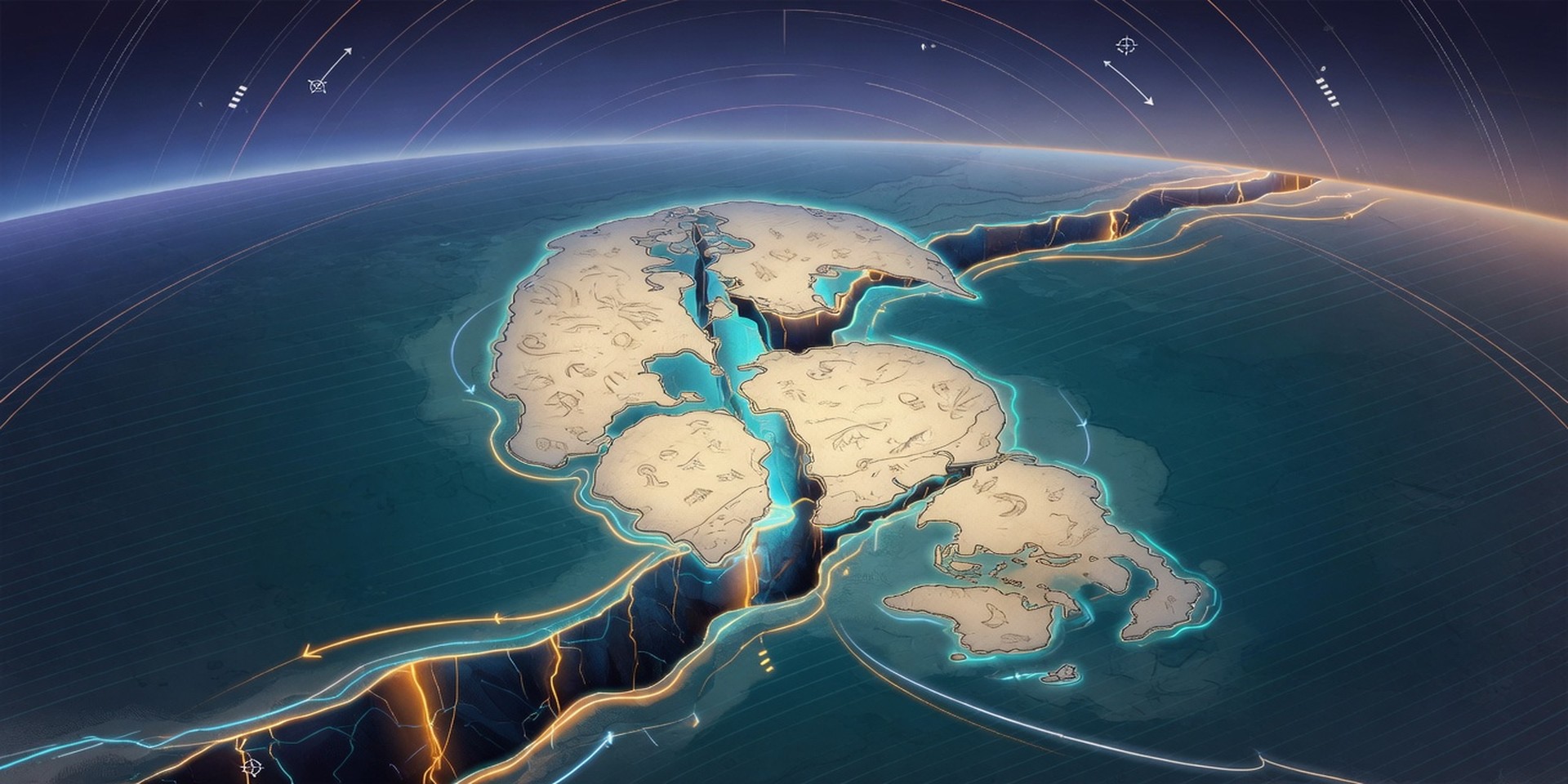
Alfred Wegener and the Moving Earth
How a meteorologist's bold continental-drift hypothesis gathered clues from across the planet - and helped transform our picture of a restless Earth.

28 articles
How a meteorologist's bold continental-drift hypothesis gathered clues from across the planet - and helped transform our picture of a restless Earth.
How Claude Shannon found a common language beneath words, music, and electrical signals - and opened a new way of thinking about information.
How a single paper on the photoelectric effect earned Einstein the Nobel Prize and launched the quantum revolution that still shapes every modern technology.
Elon Musk introduced the Hyperloop concept in 2013 - pods traveling at 760 mph through low-pressure tubes between cities. It could redefine transportation and usher in a new era of sustainability and economic prosperity.
Archimedes pioneered thought experiments as a problem-solving technique through his famous water displacement scenario. His creative reasoning still influences interdisciplinary innovation.
The story of Edward Lorenz's serendipitous discovery of the butterfly effect and its monumental impact on diverse scientific disciplines, ethical frameworks, public policy, and beyond.
Explore the groundbreaking discovery of graphene by researchers at the University of Manchester, heralding a new era of materials science innovation.
Alfred Wegener pioneered the theory of continental drift, despite initial skepticism. His interdisciplinary approach and meticulous data gathering offer lessons for today's researchers.
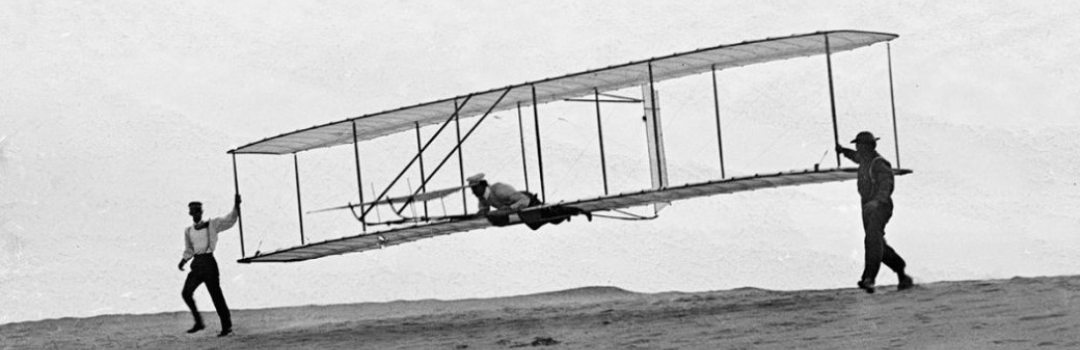
Explore the remarkable journey of the Wright Brothers, whose passion, innovation, and resilience led to the invention of the first successful powered aircraft in 1903.
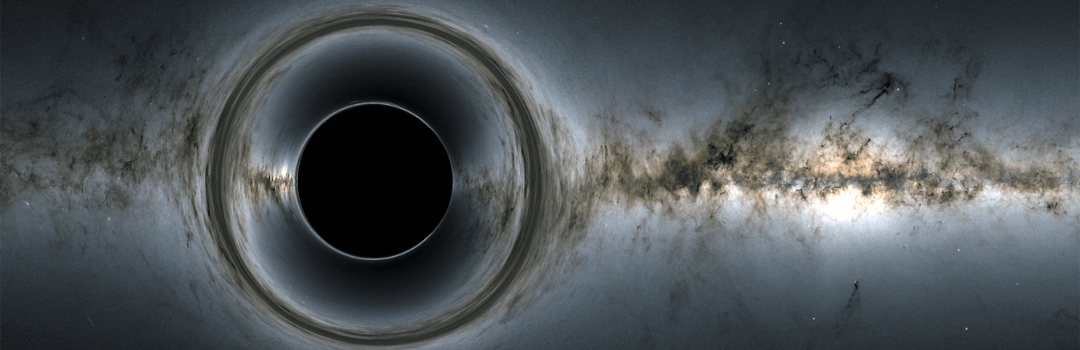
Explore Stephen Hawking's groundbreaking work on the black hole information paradox, a captivating enigma that challenges the foundations of modern physics.
Uncover Charles Darwin's revolutionary theory of evolution, illuminating the mechanisms of natural selection and life's intricate web of connections.
Explore the enigmatic Twin Paradox, Einstein’s captivating thought experiment unveiling the mind-bending effects of time dilation and special relativity on the fabric of space-time.
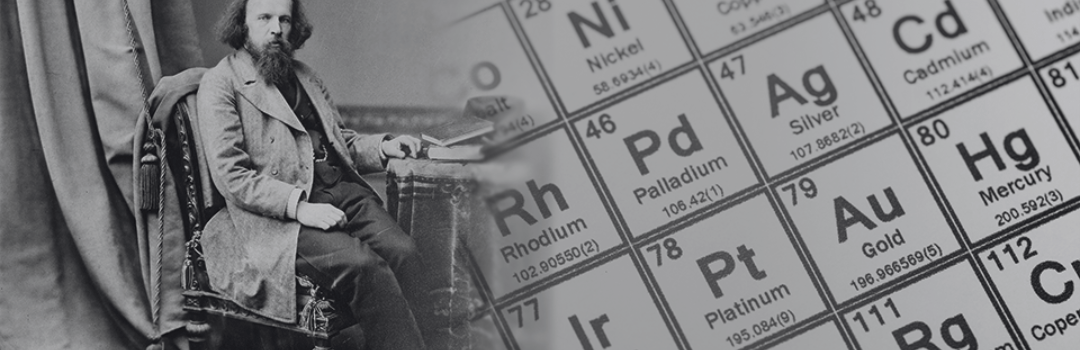
Dmitri Mendeleev conceptualized the periodic table through thought experiments and creative intuition. His ability to think innovatively enabled breakthrough predictions.
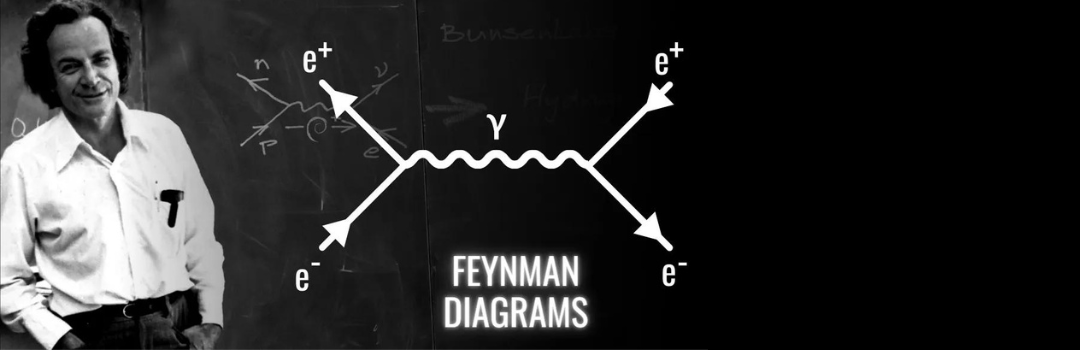
Richard Feynman pioneered the use of intuitive diagrams to visualize complex particle interactions. Learn how more..!!
James Lovelock's Gaia hypothesis conceived Earth as a self-regulating system where life shapes environmental conditions for habitability. This radical idea changed science.
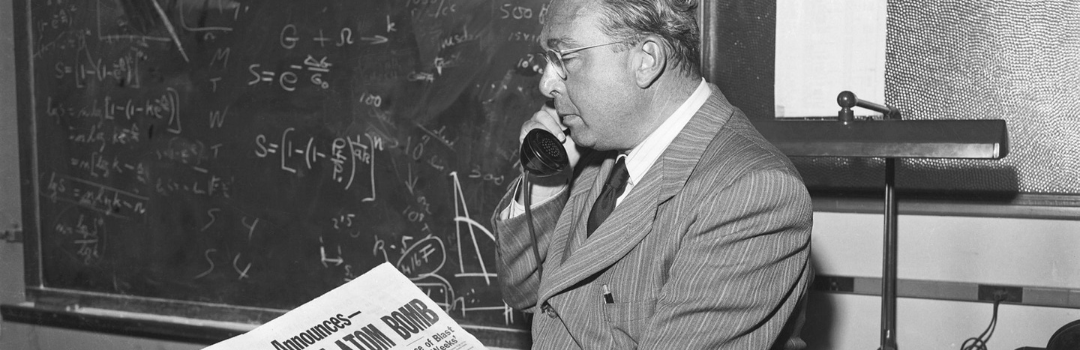
Physicist Leo Szilard creatively adapted James Clerk Maxwell's Maxwell's Demon thought experiment from physics to genetics in the 1960's, advancing genetics through information theory.
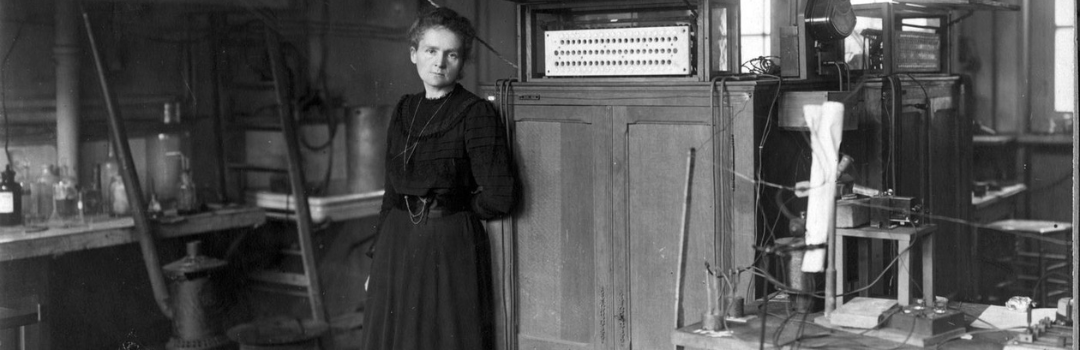
Discover how Marie Curie's groundbreaking work with radioactive elements earned her Nobel Prizes and revolutionized science.
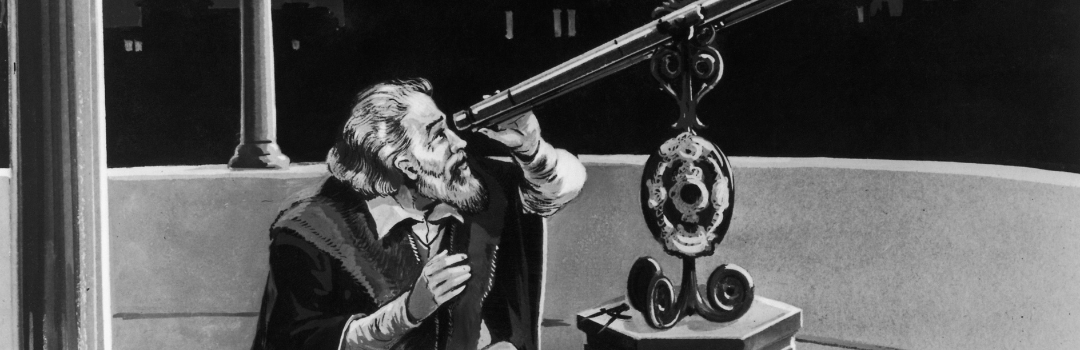
Galileo's ship thought experiment on relativity and inertia formed the basis of classical mechanics and inspired scientific reasoning for centuries after.
Tracing the origins and impact of foundational game theory concepts like the Nash Equilibrium and Prisoner's Dilemma, developed by mathematicians like John von Neumann and John Nash.
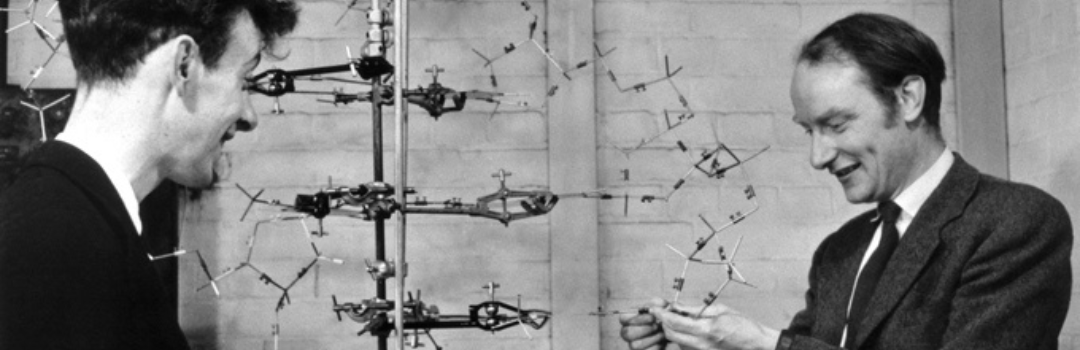
Explore how Watson, Crick, and Franklin unraveled the secrets of DNA structure through thought experiments, reshaping the landscape of genetics.
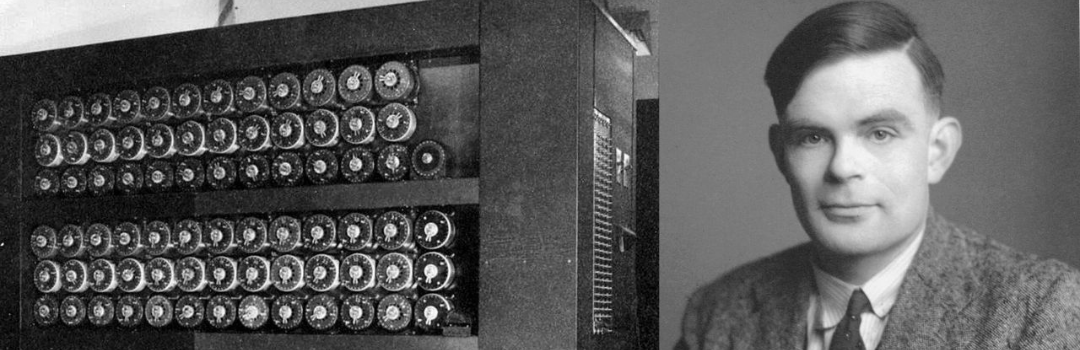
Alan Turing conceptualized the Turing Machine thought experiment, making advances in computability and AI. His codebreaking work during WWII helped the Allies defeat the Nazis.
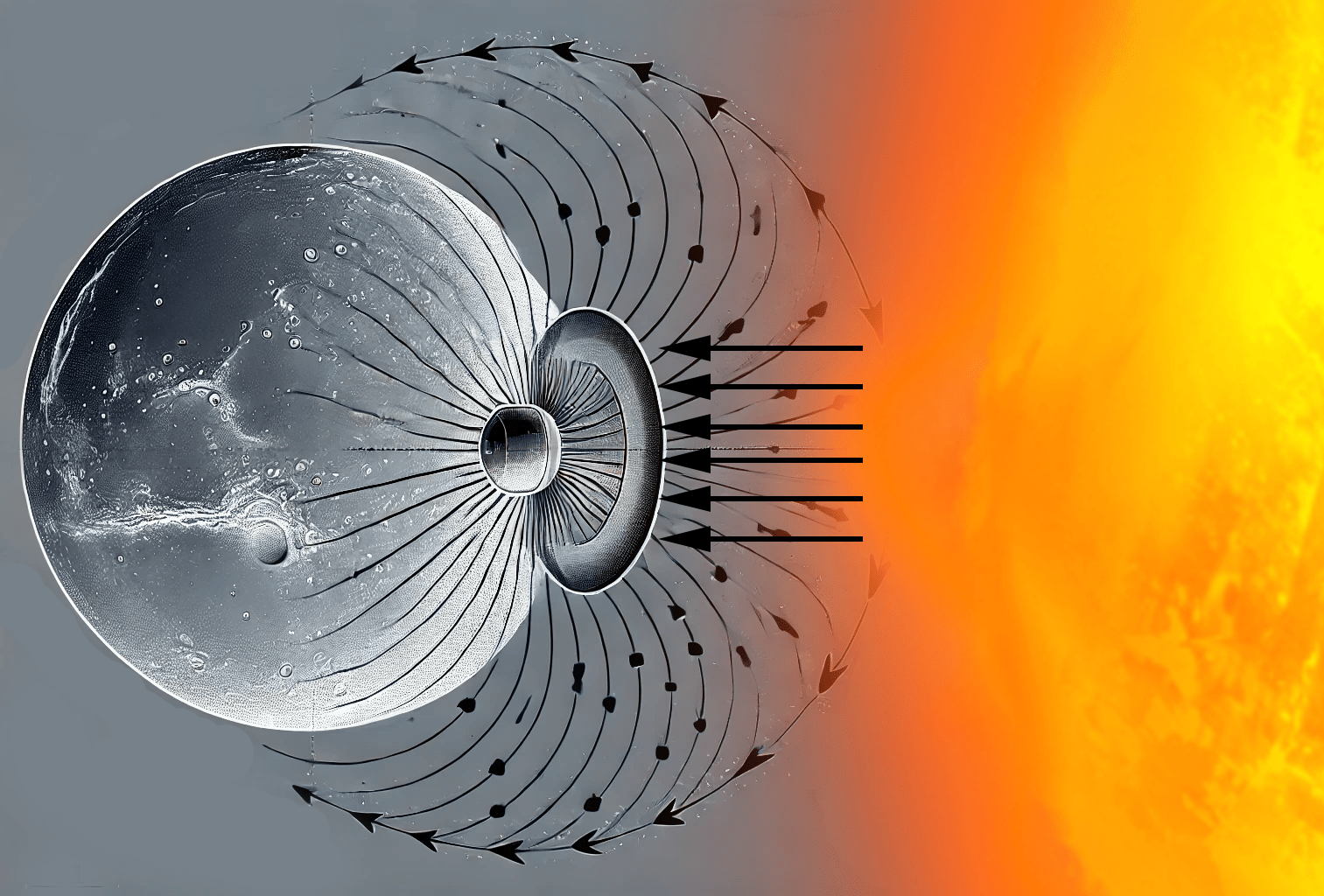
Discover Geo Douglas's groundbreaking research on harnessing near-Earth energy for advanced space propulsion, paving the way for interstellar exploration.
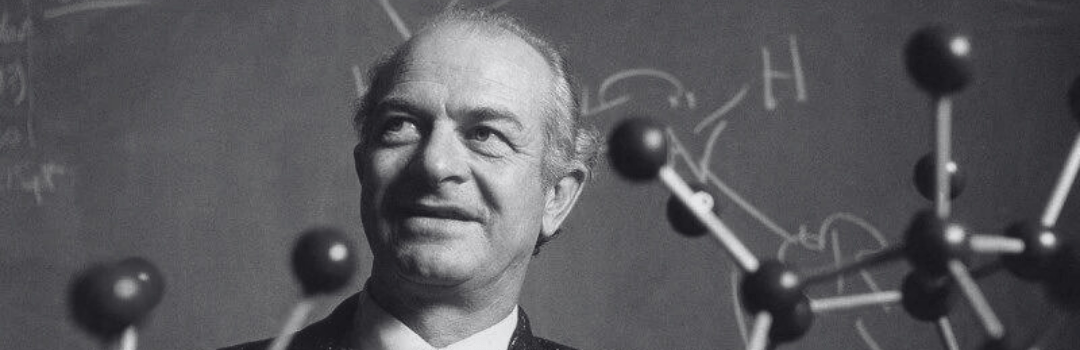
Linus Pauling revolutionized protein science in the 1950s by proposing the alpha helix concept purely through thought experiments. His innovative thinking should inspire modern researchers.
Niels Bohr's pioneering work in quantum mechanics revealed the particle-wave duality of light. His complementarity principle and debates with Einstein shaped our understanding of physics.
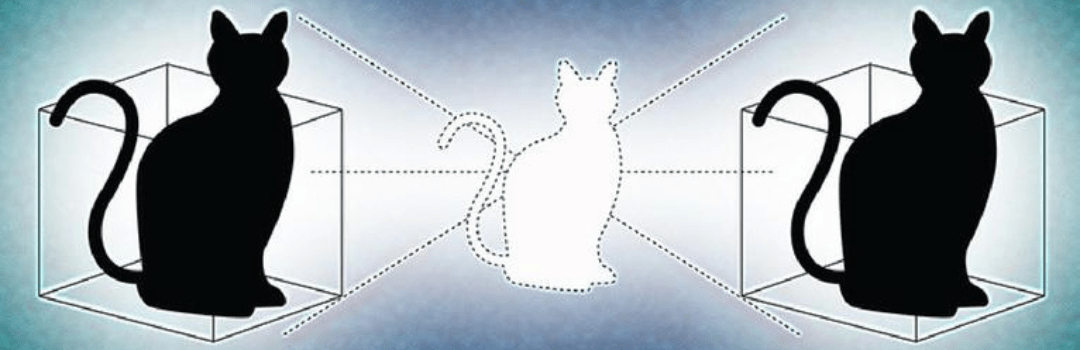
Erwin Schrödinger devised his cat paradox as a critique of prevailing quantum interpretations. Learn how this iconic thought experiment highlighted conceptual issues in quantum theory.
Explore Harvard's groundbreaking leap in quantum computing, overcoming challenges like quantum decoherence and qubit instability.
Explore MIT's groundbreaking initiative in pharmaceutical research, leveraging artificial intelligence to revolutionize drug discovery.